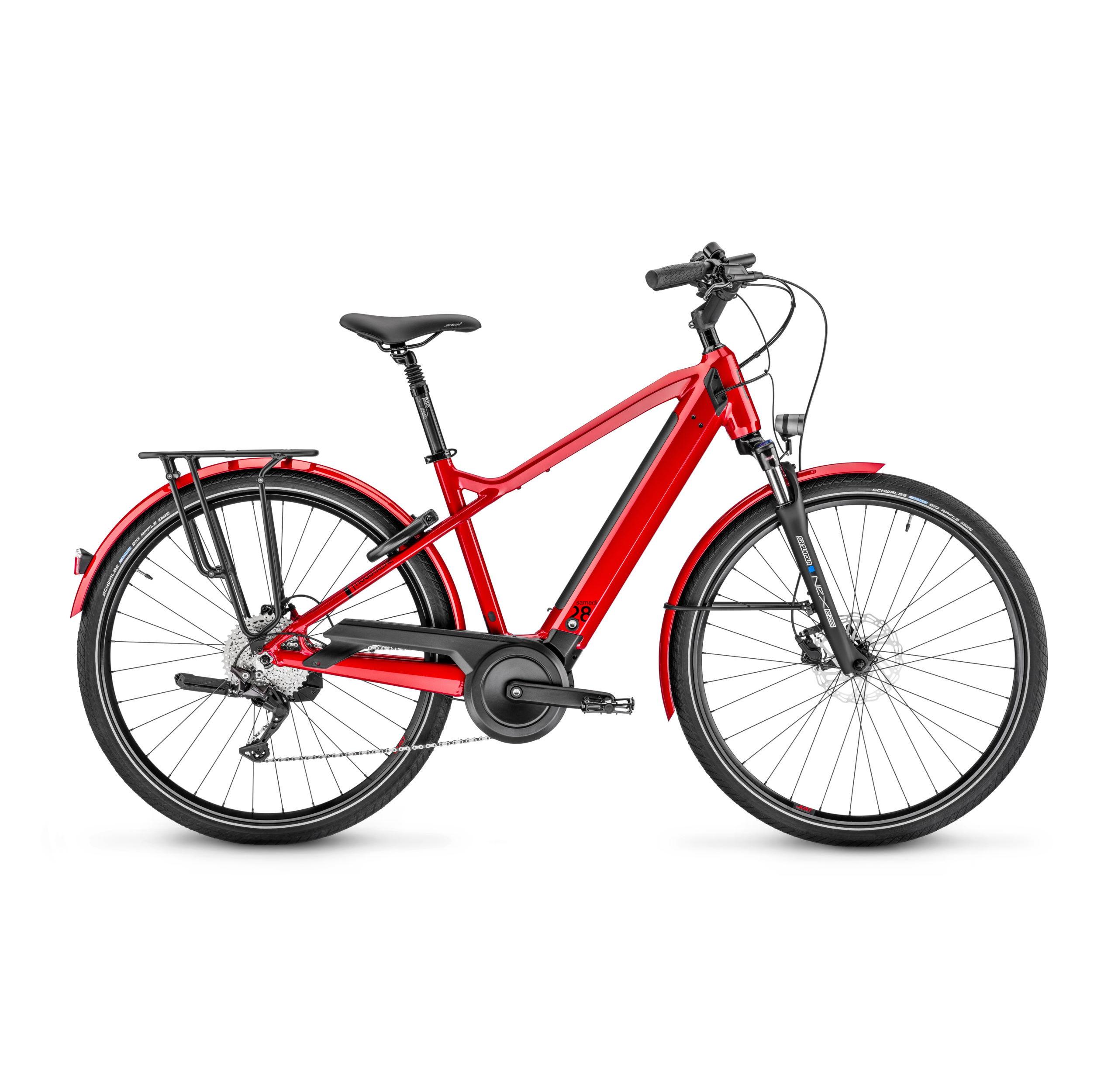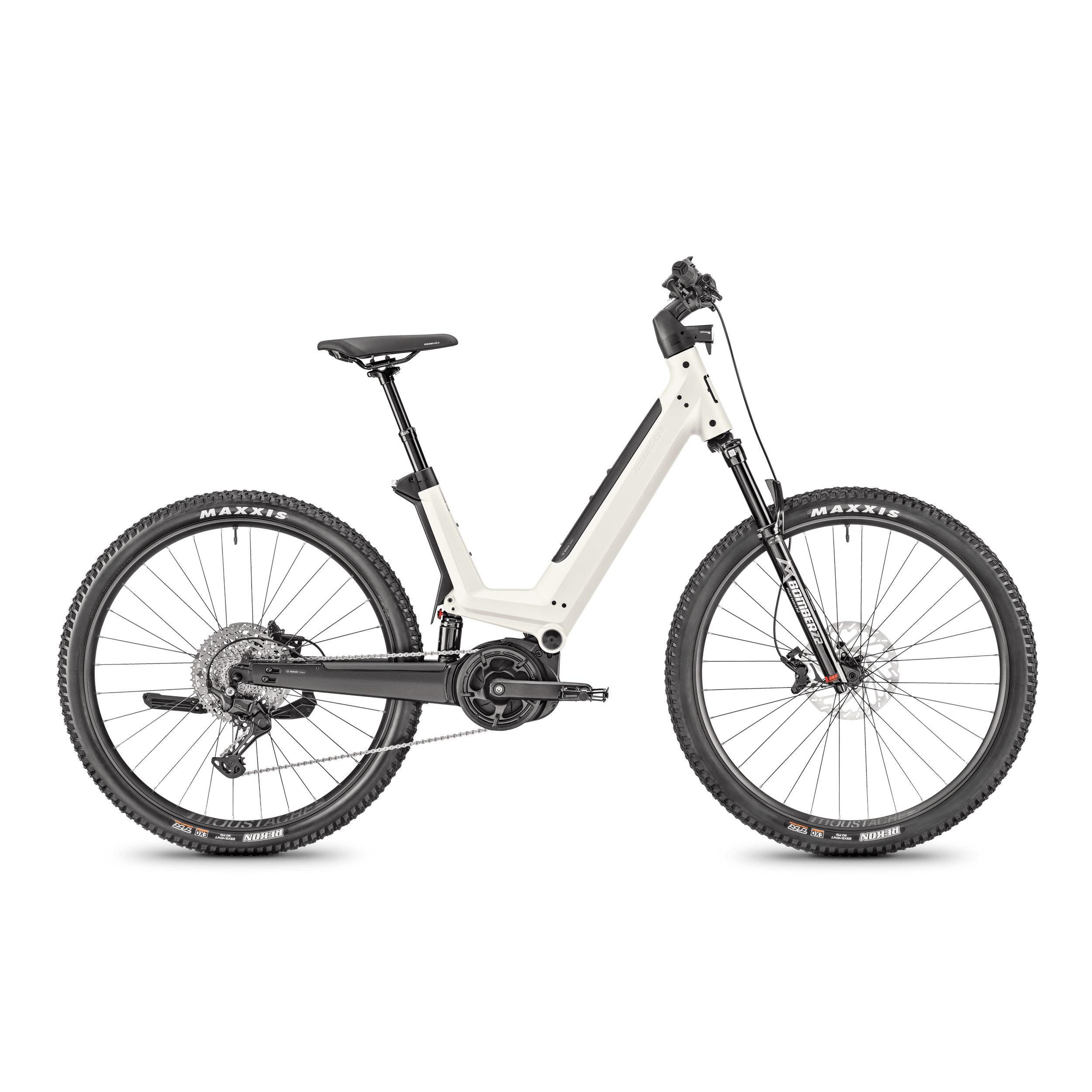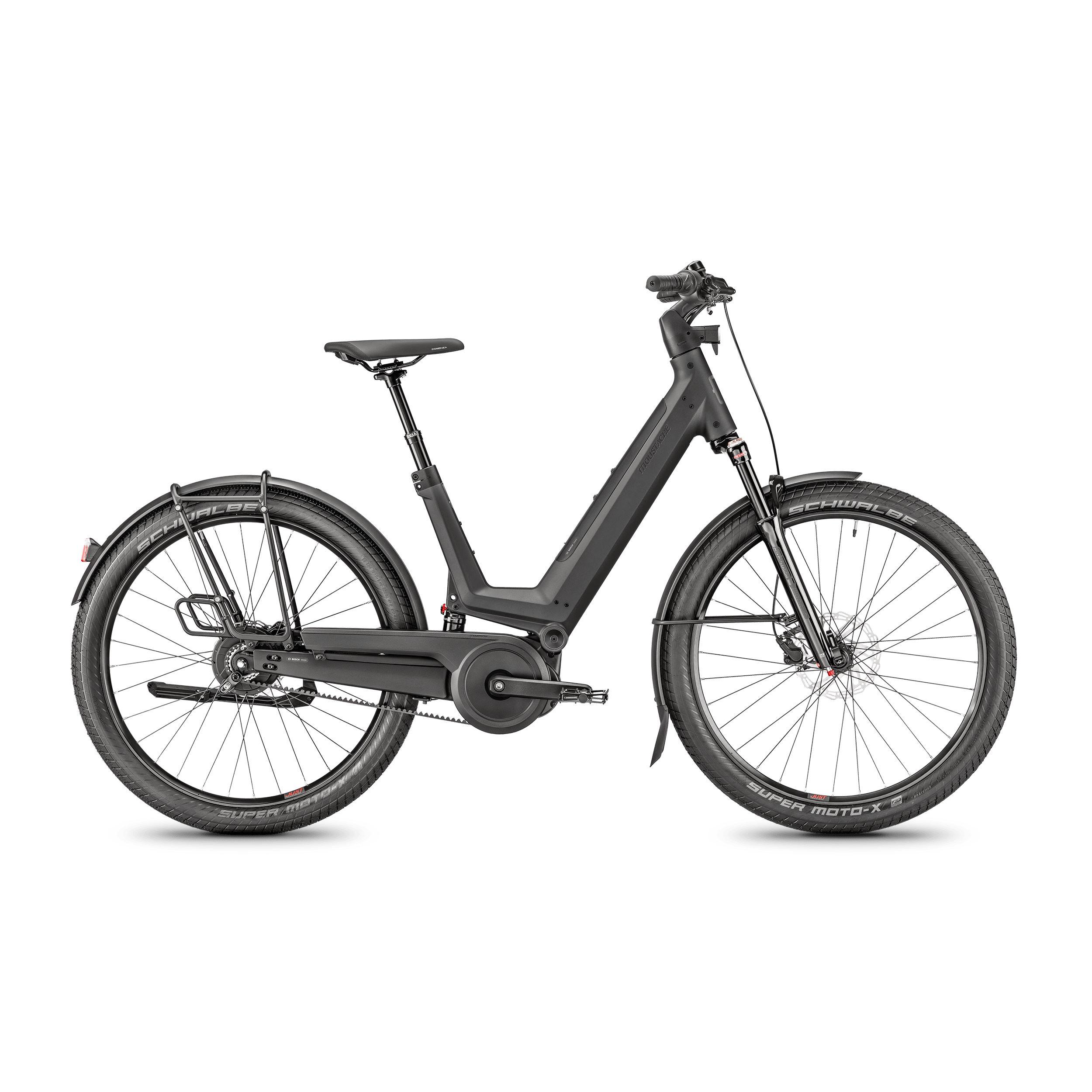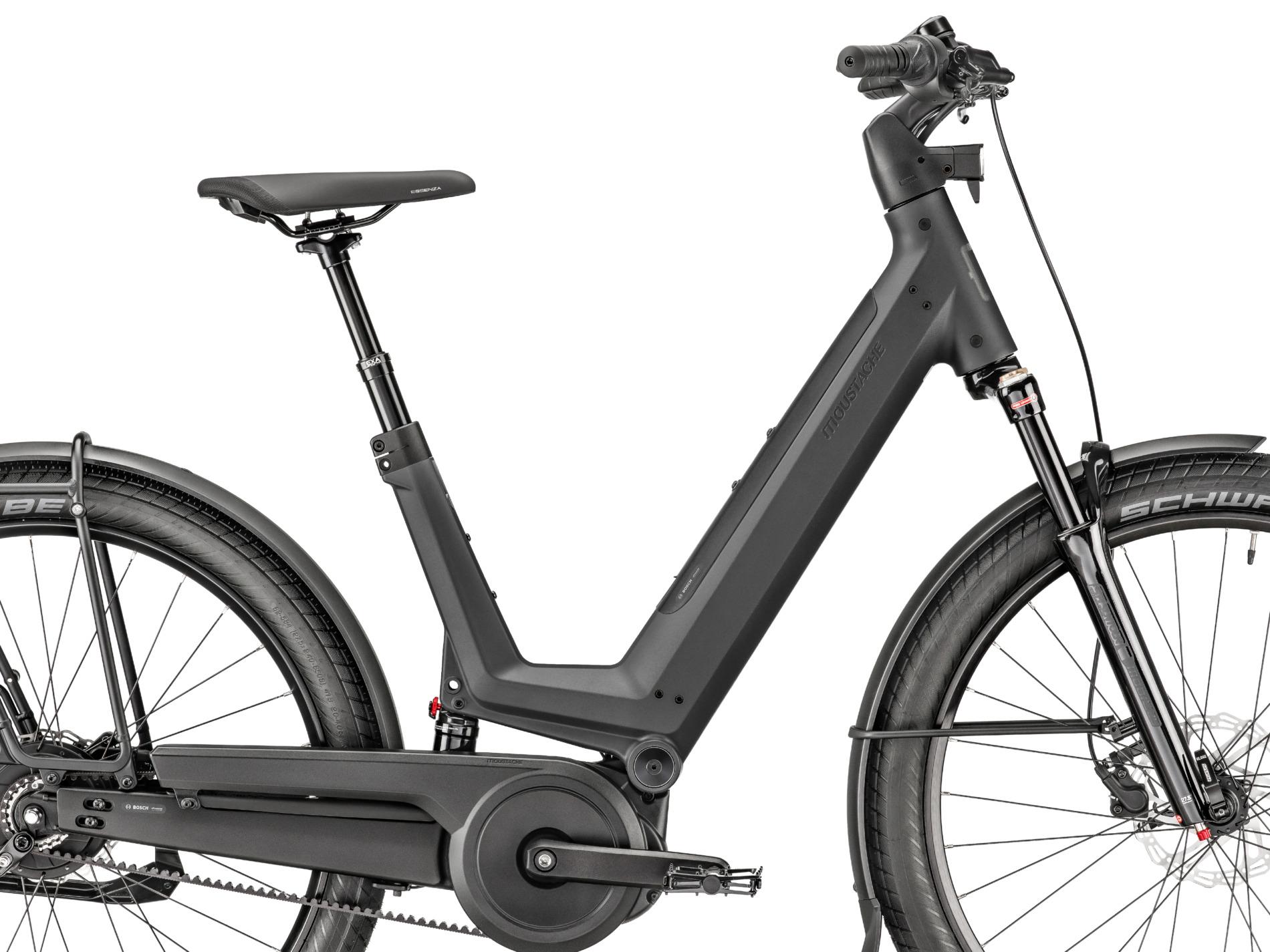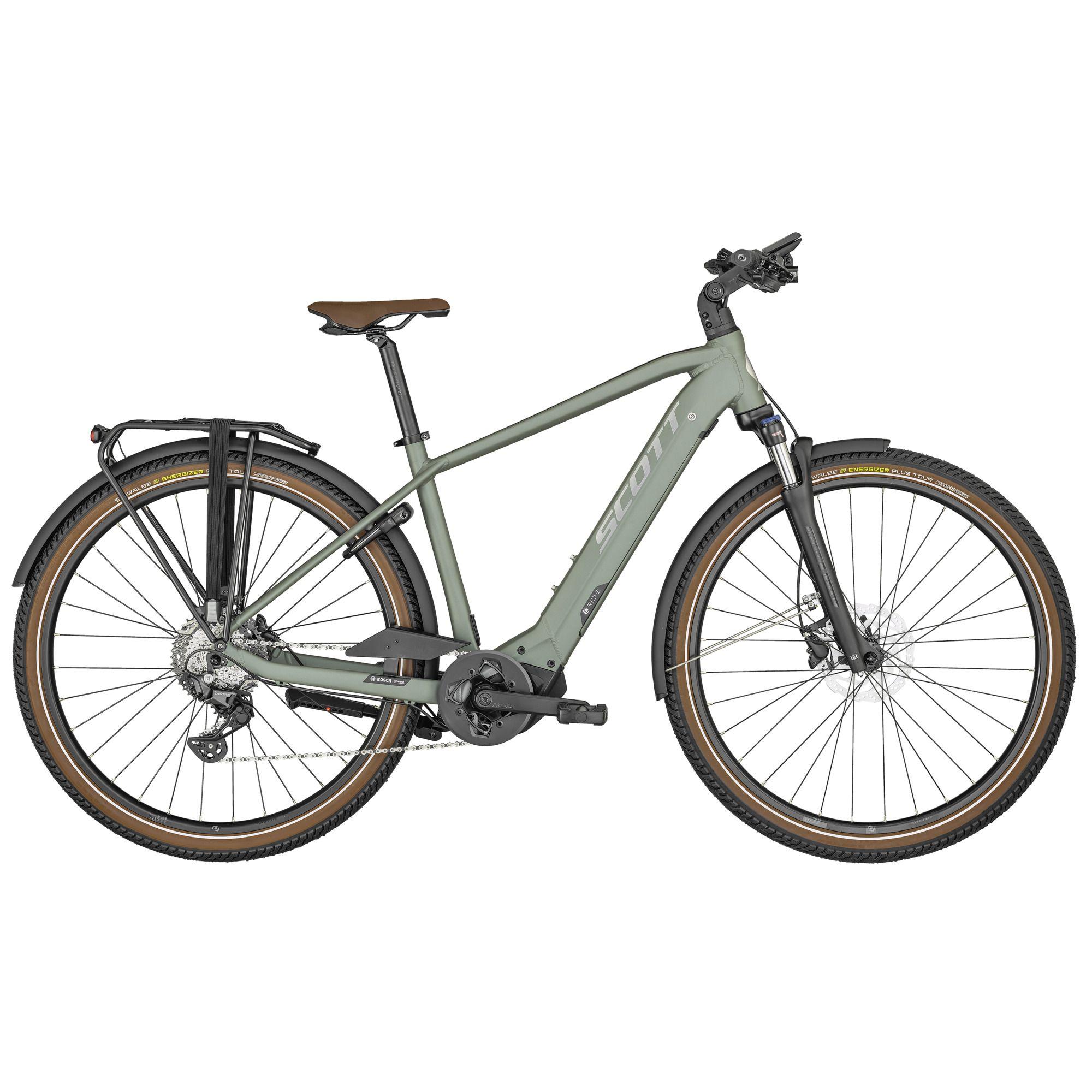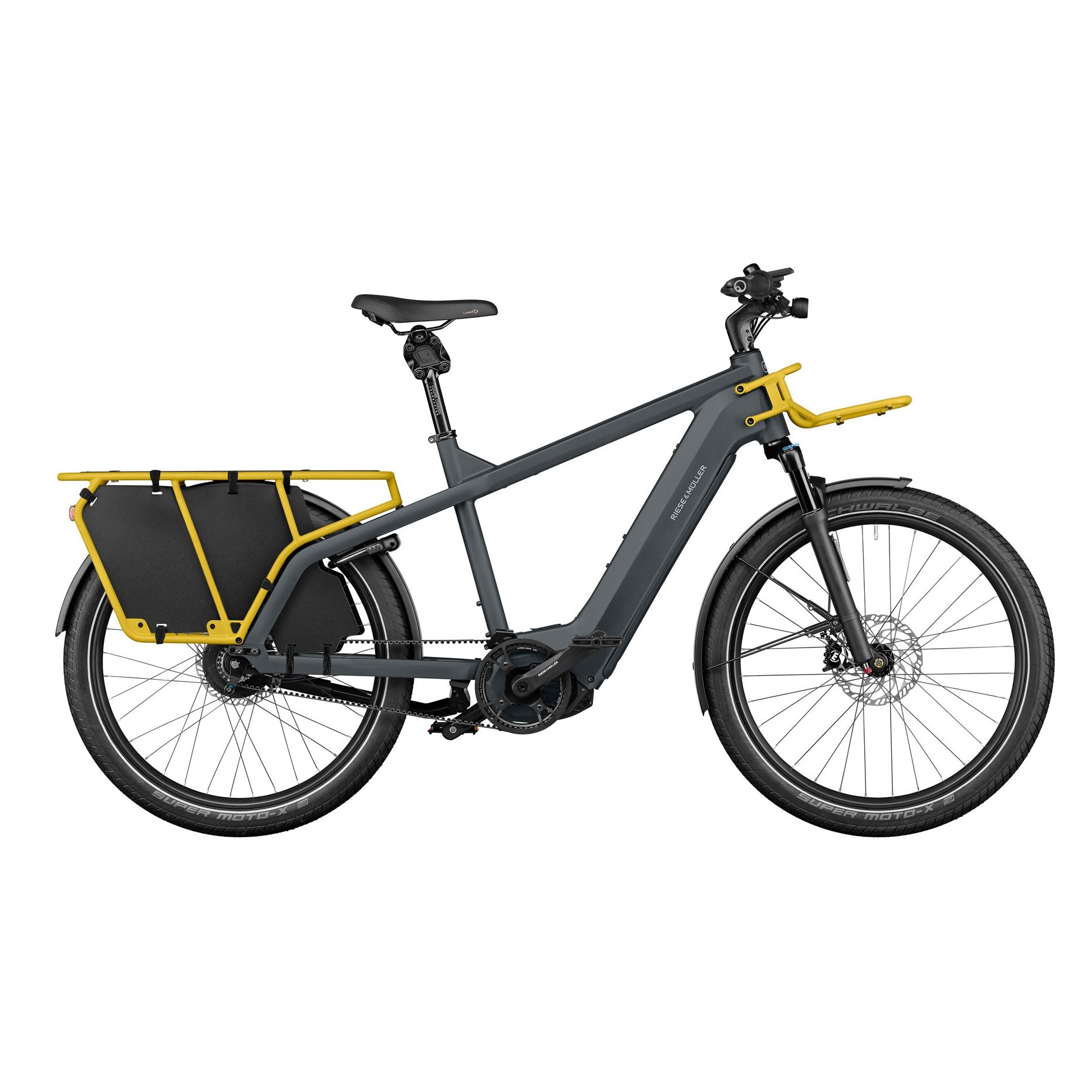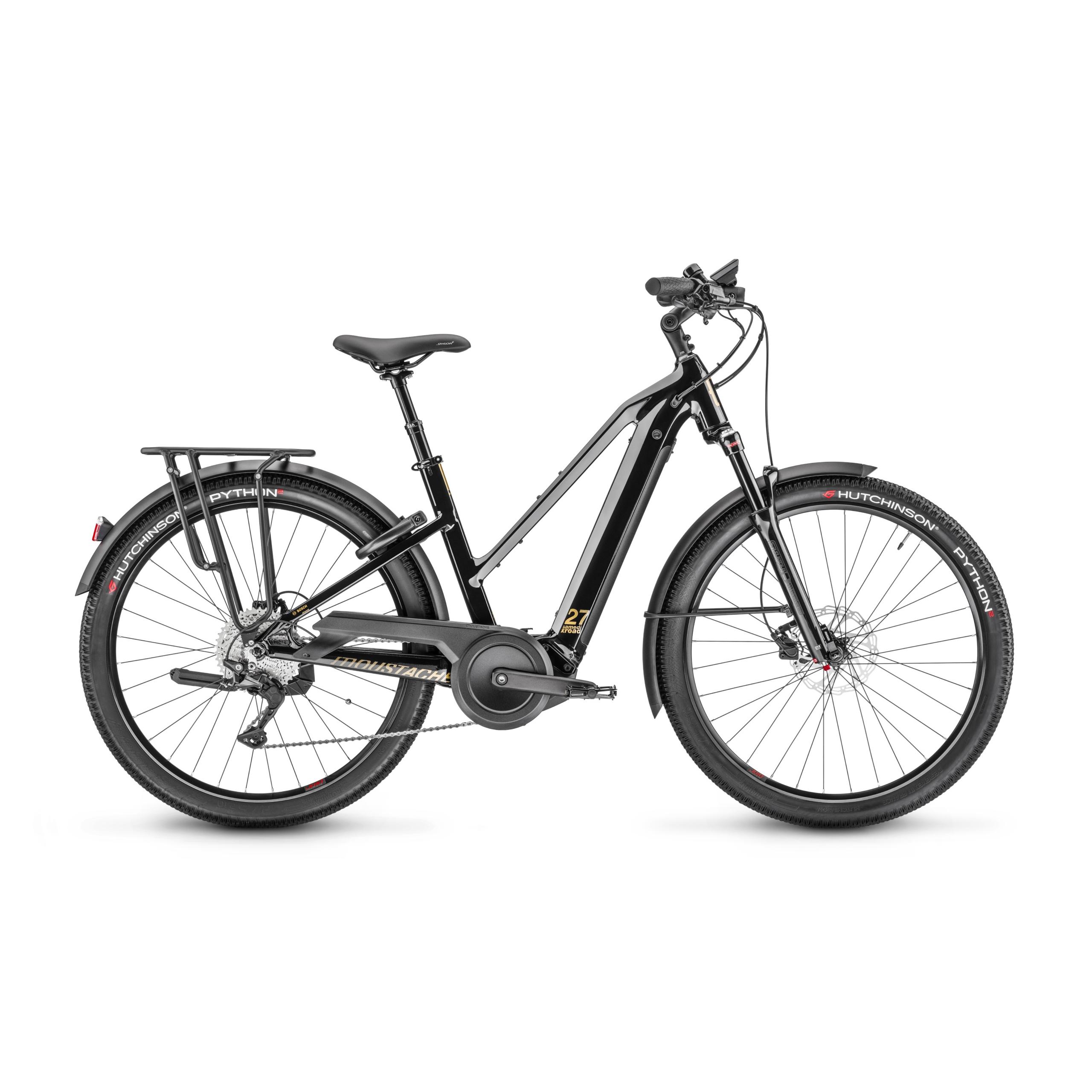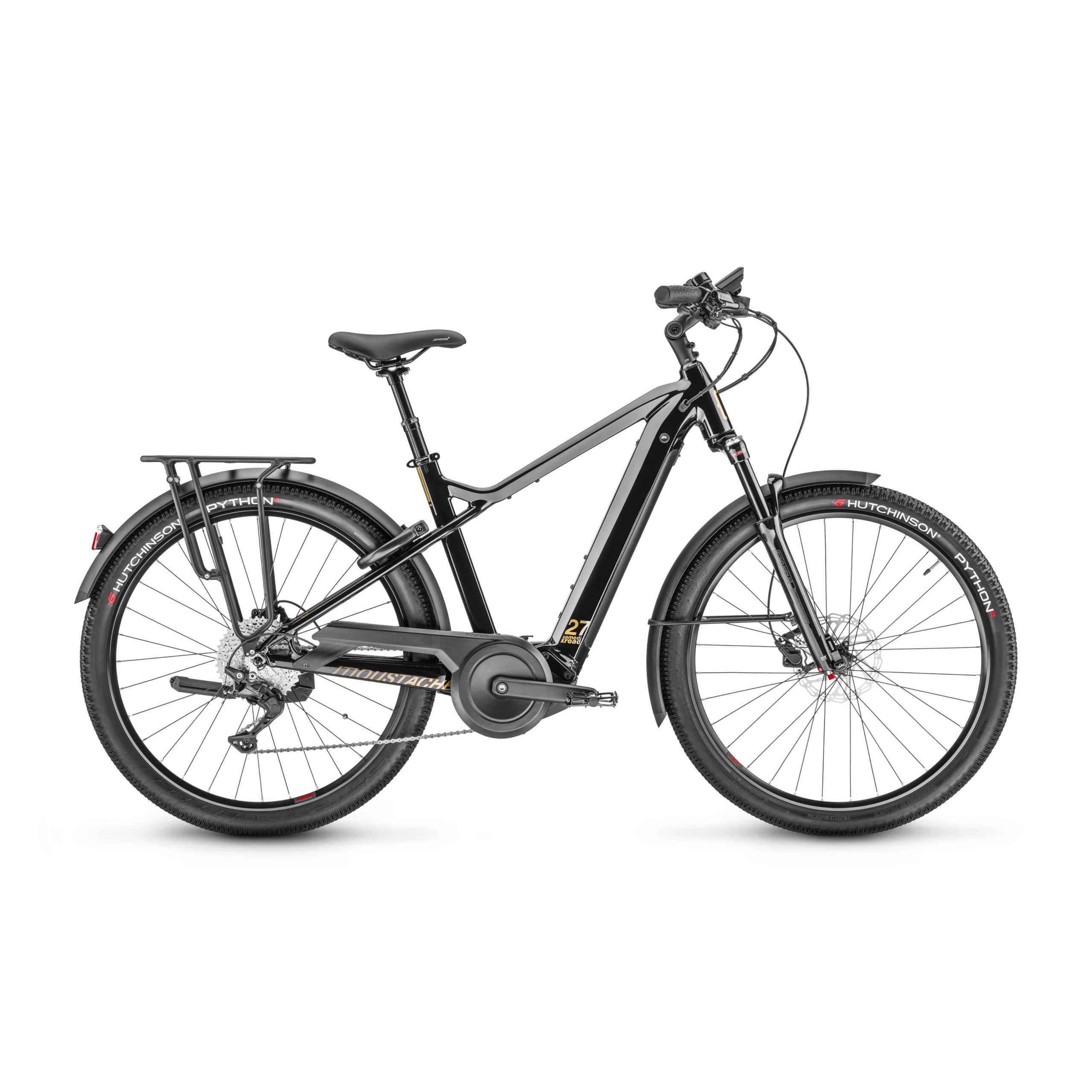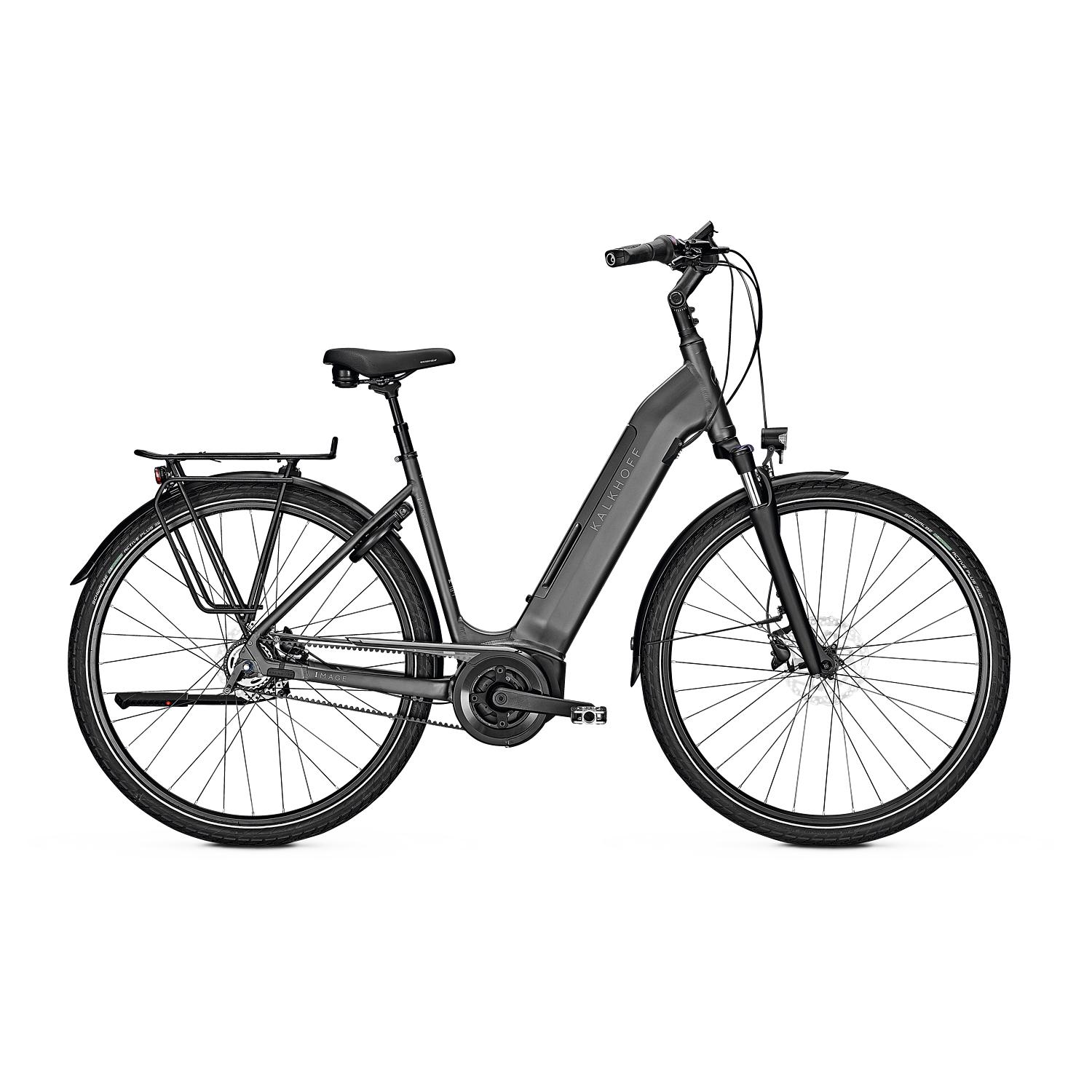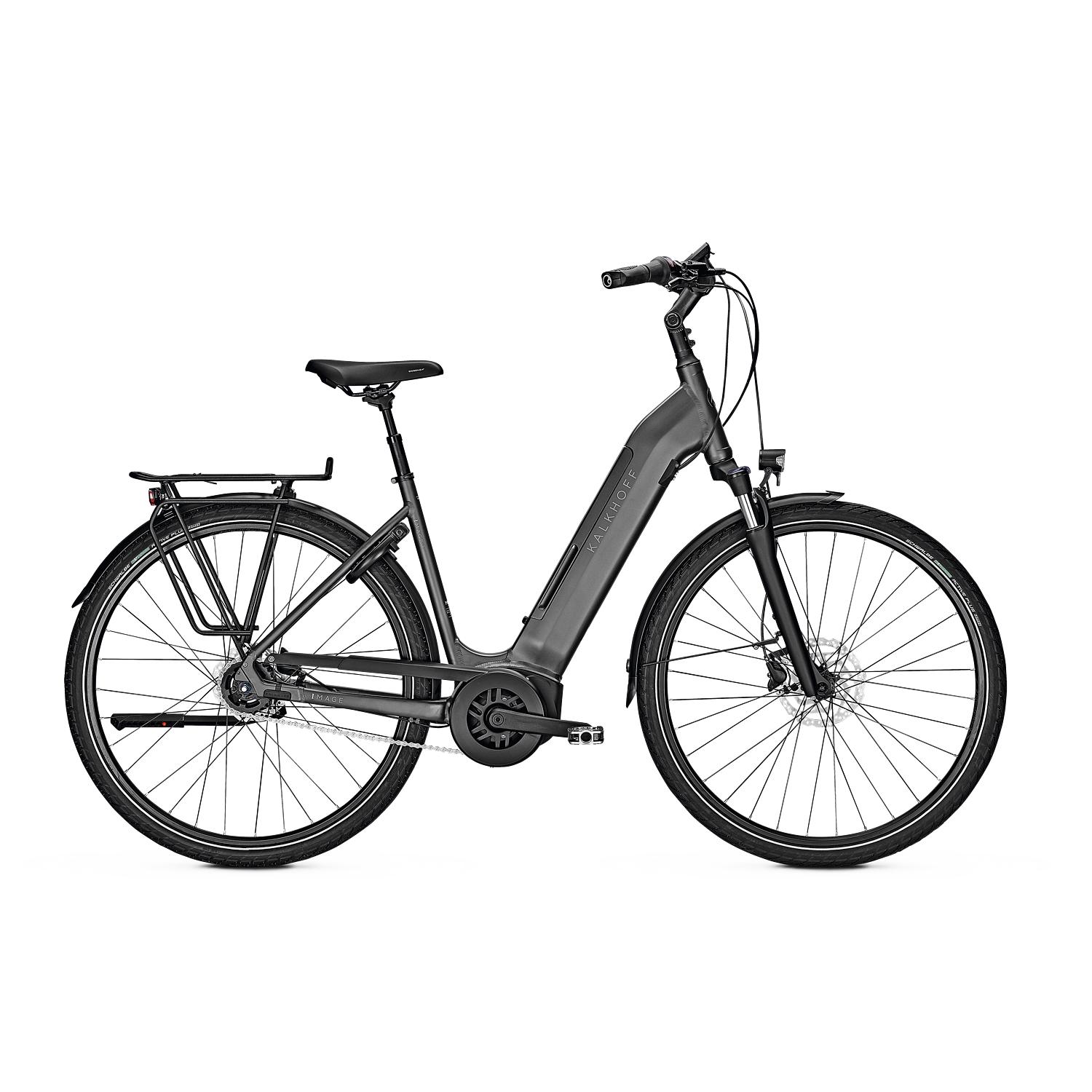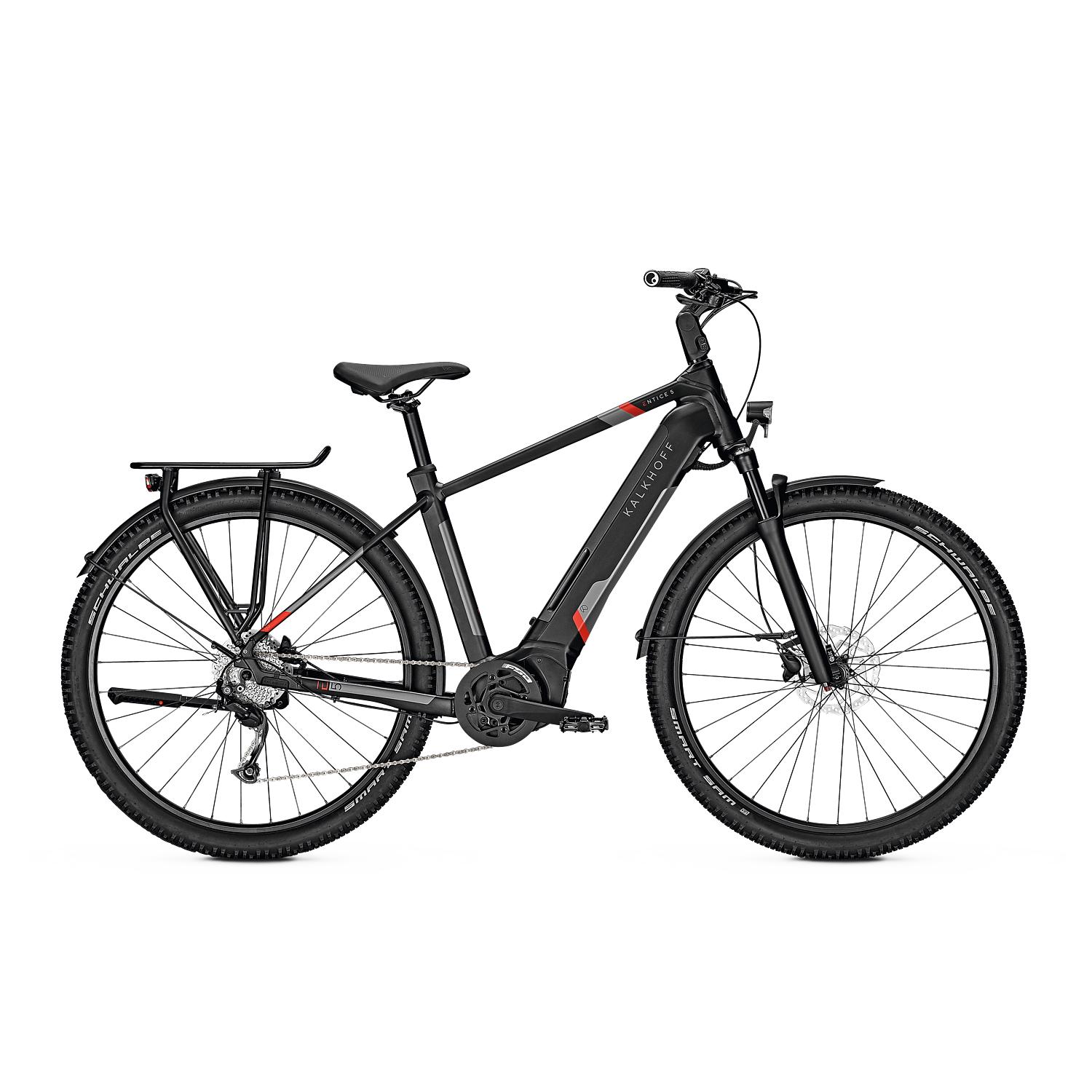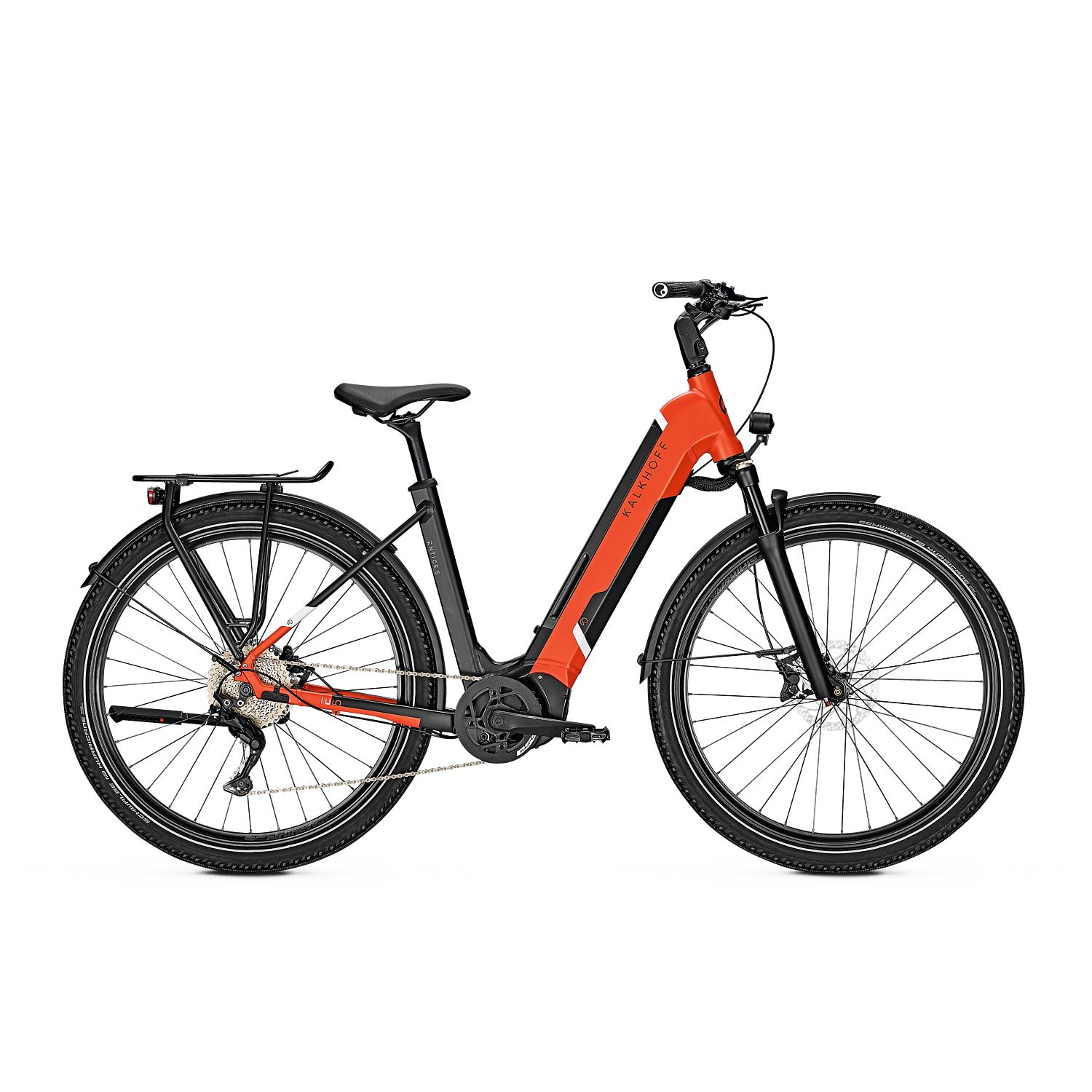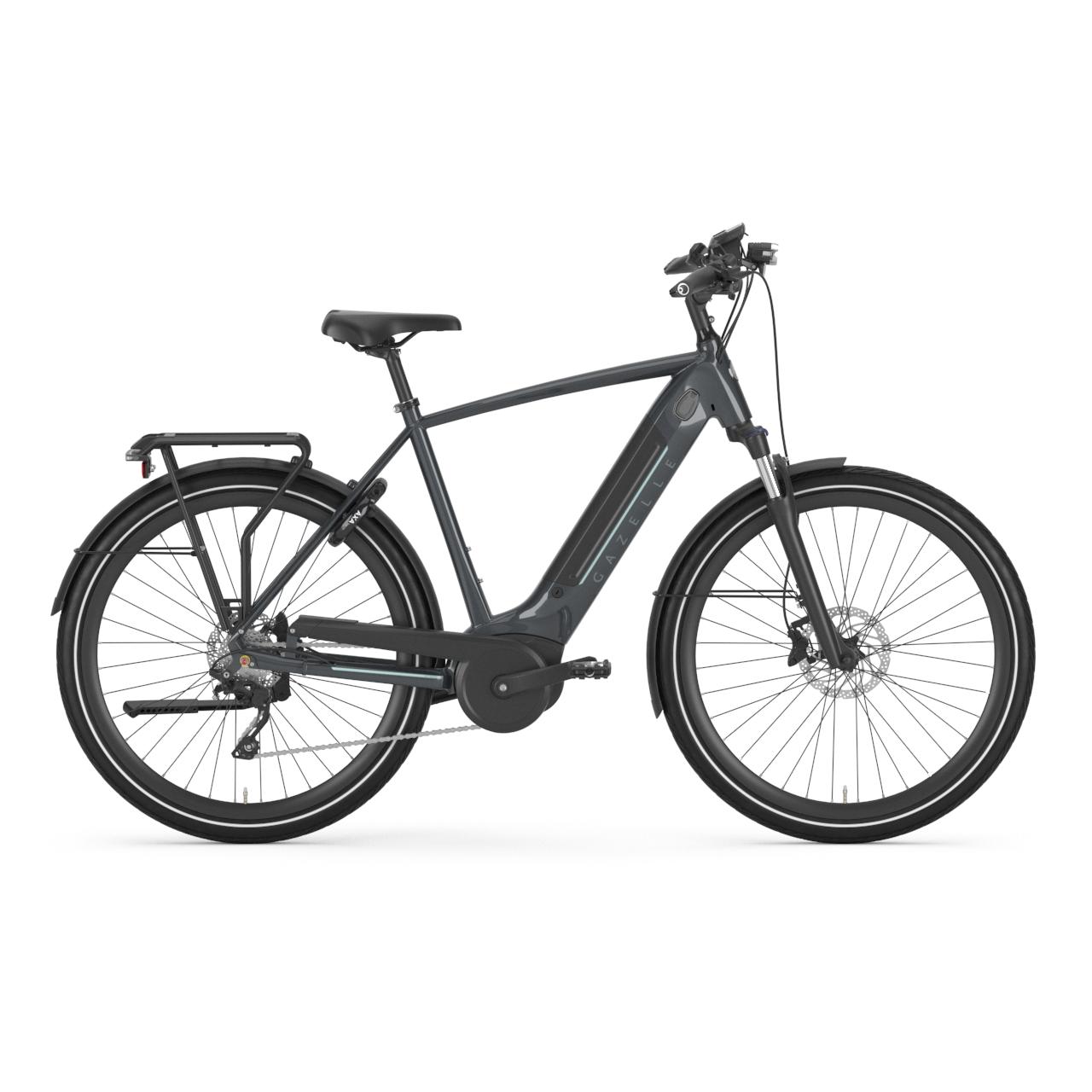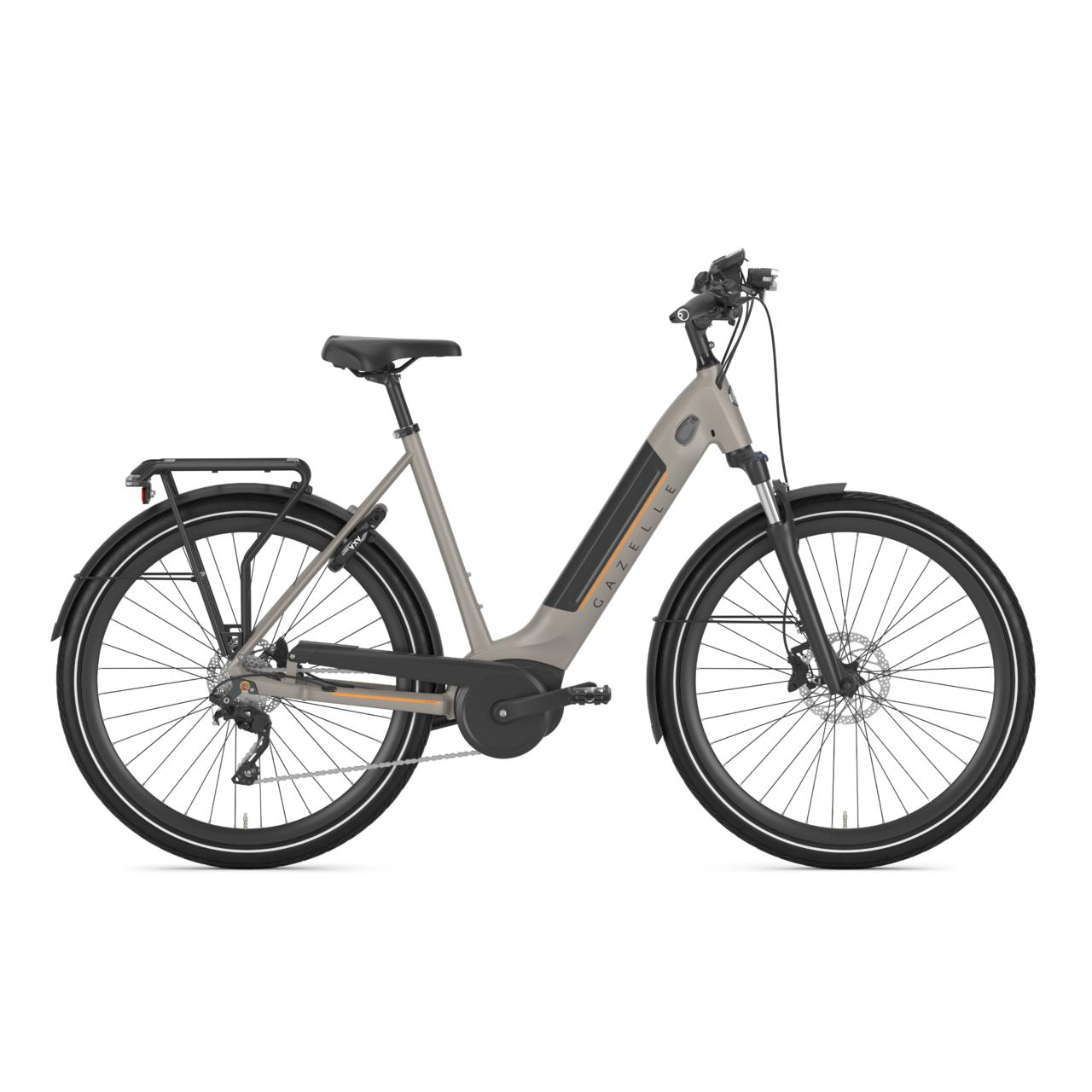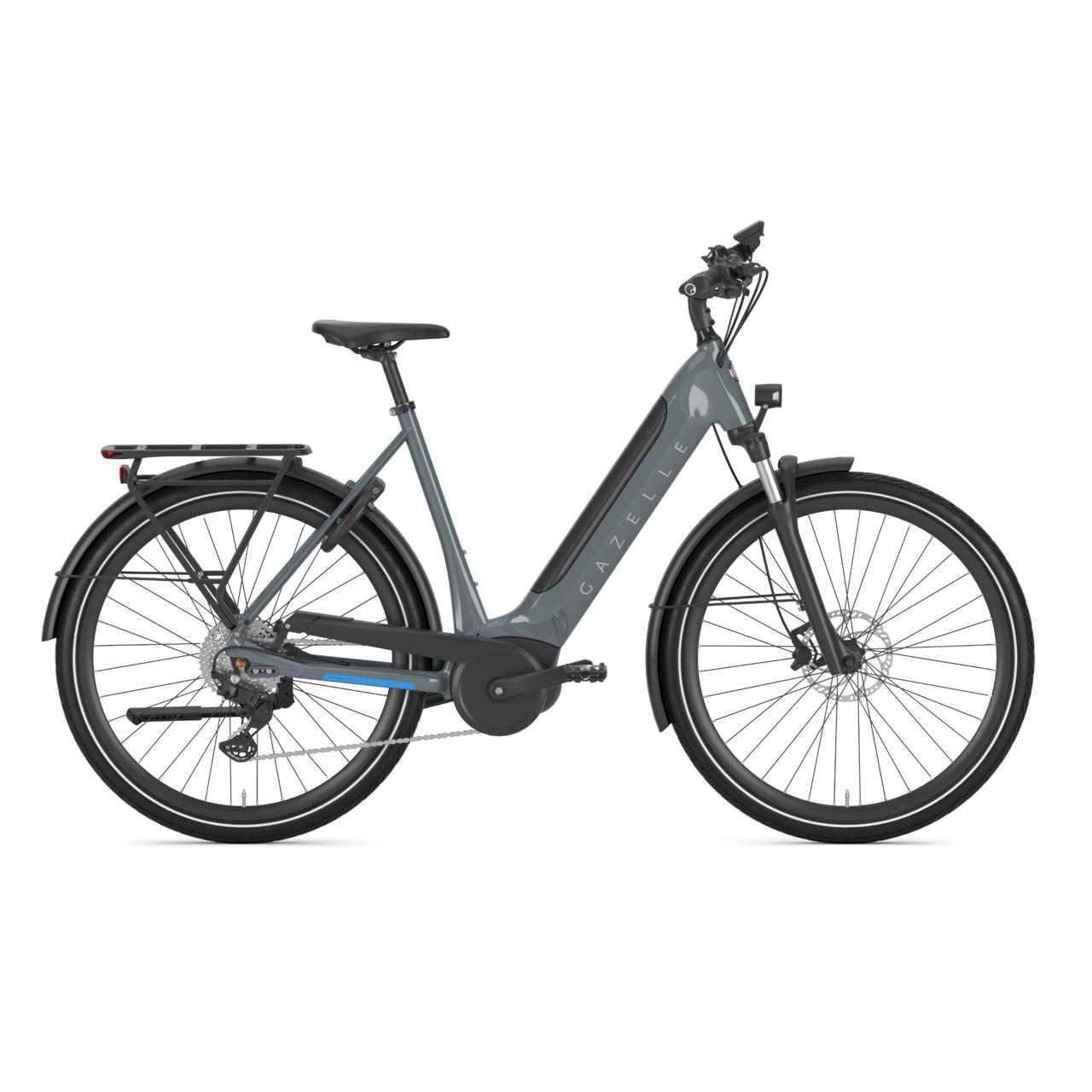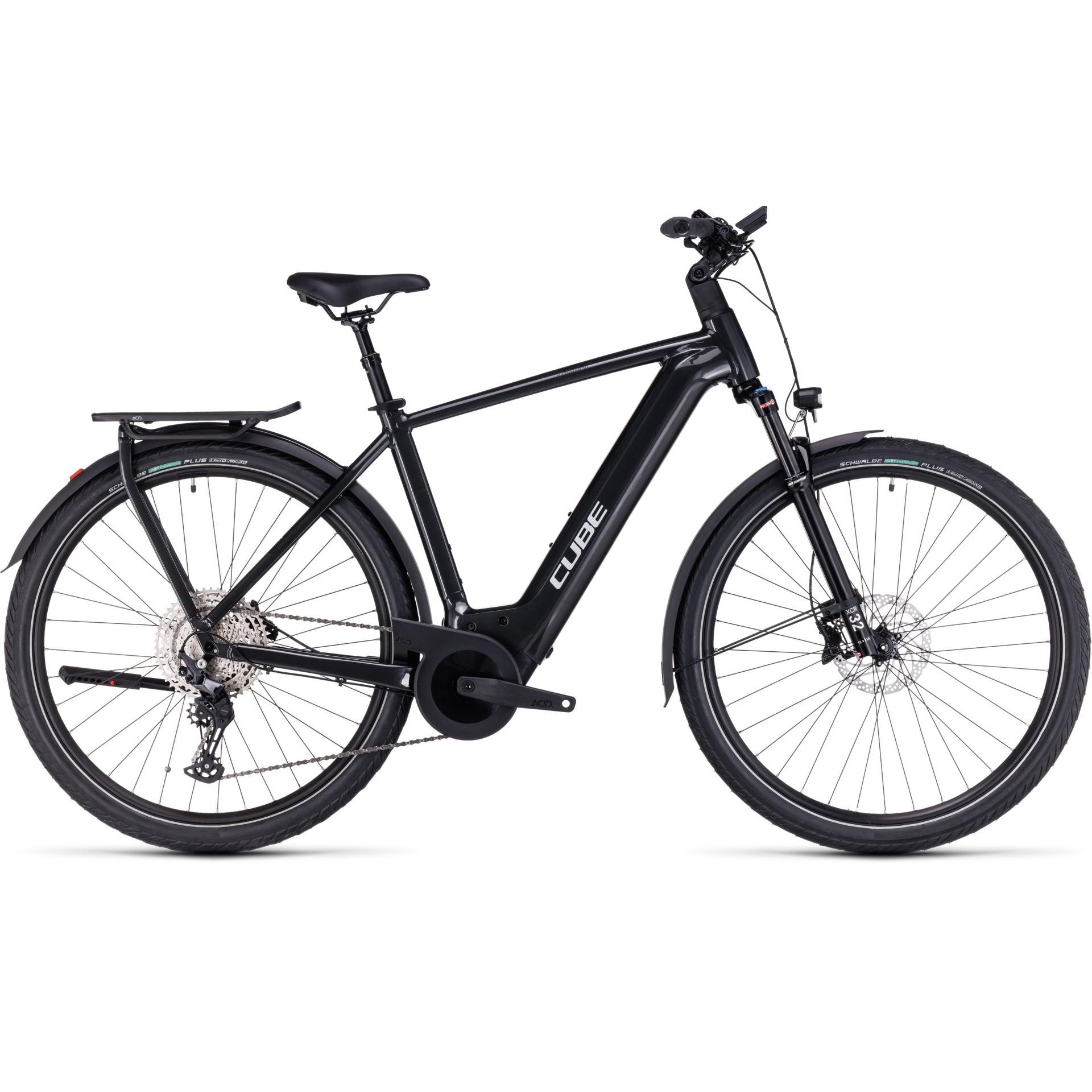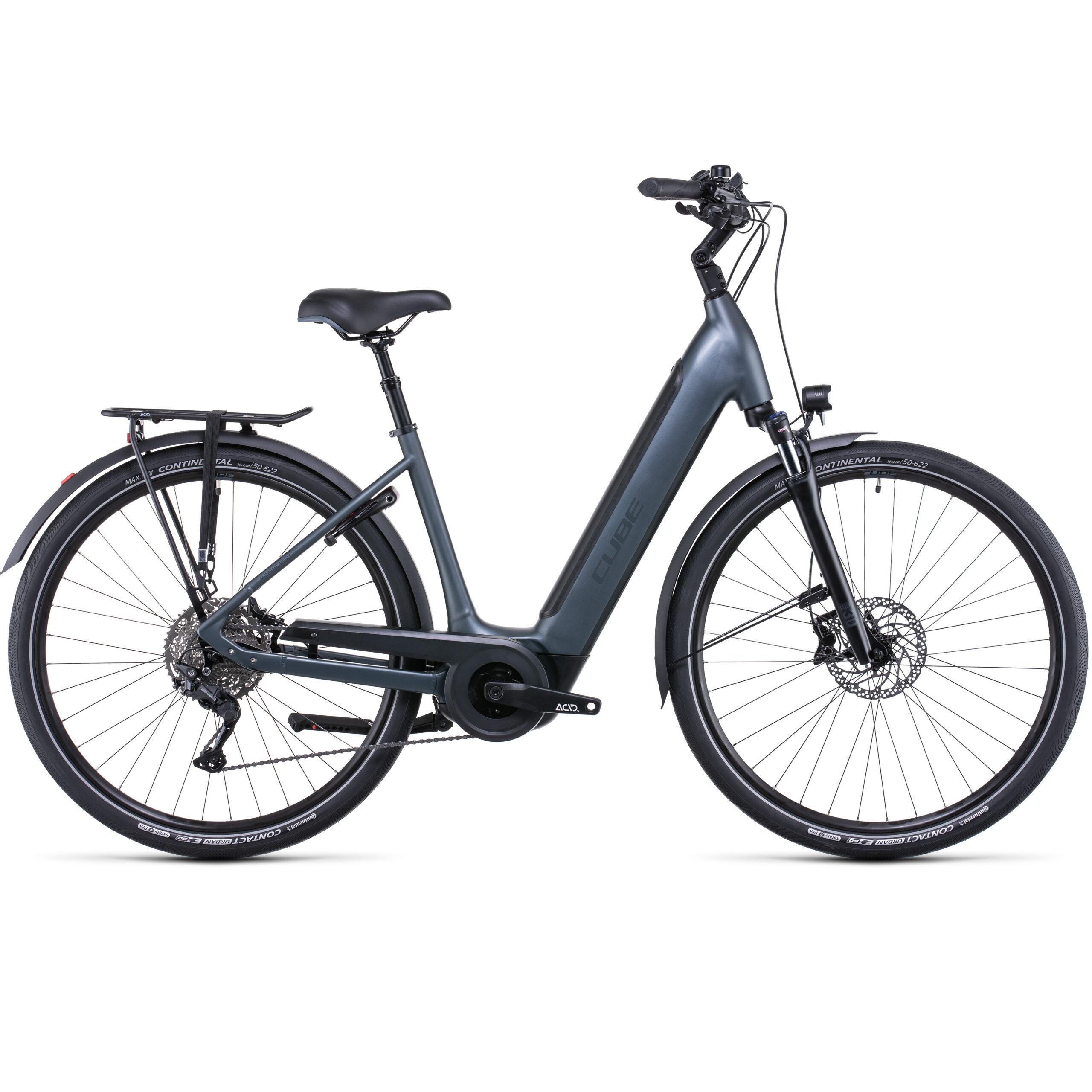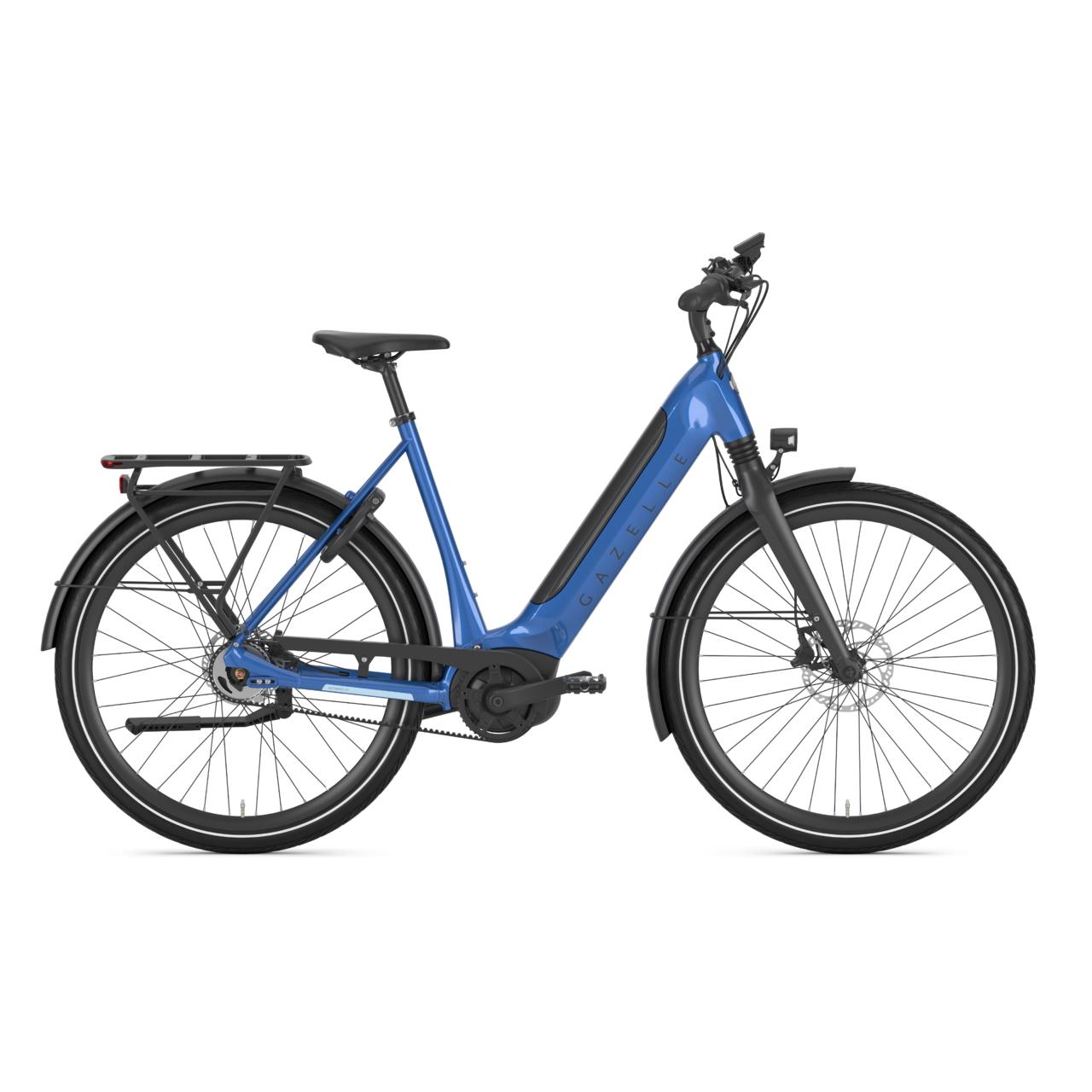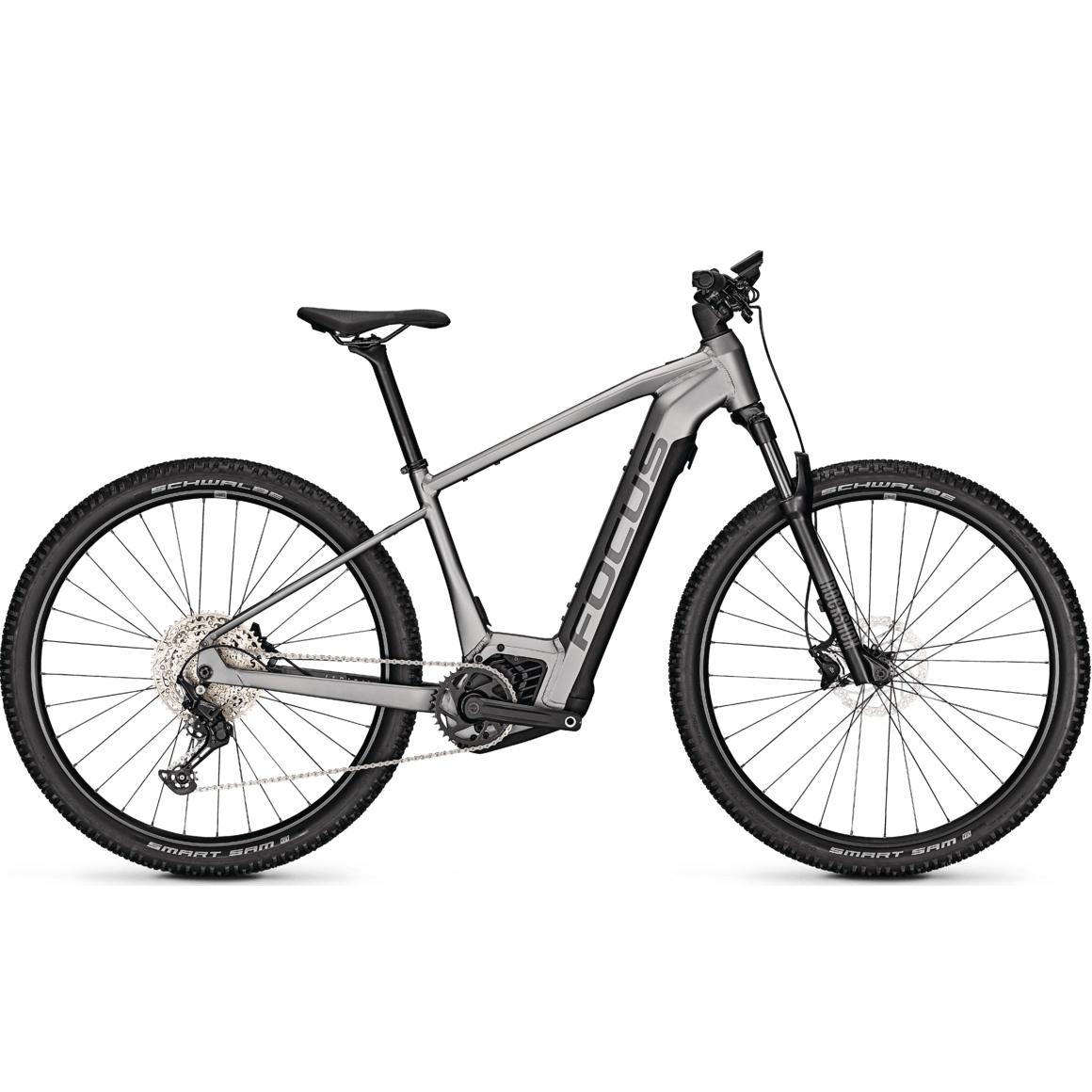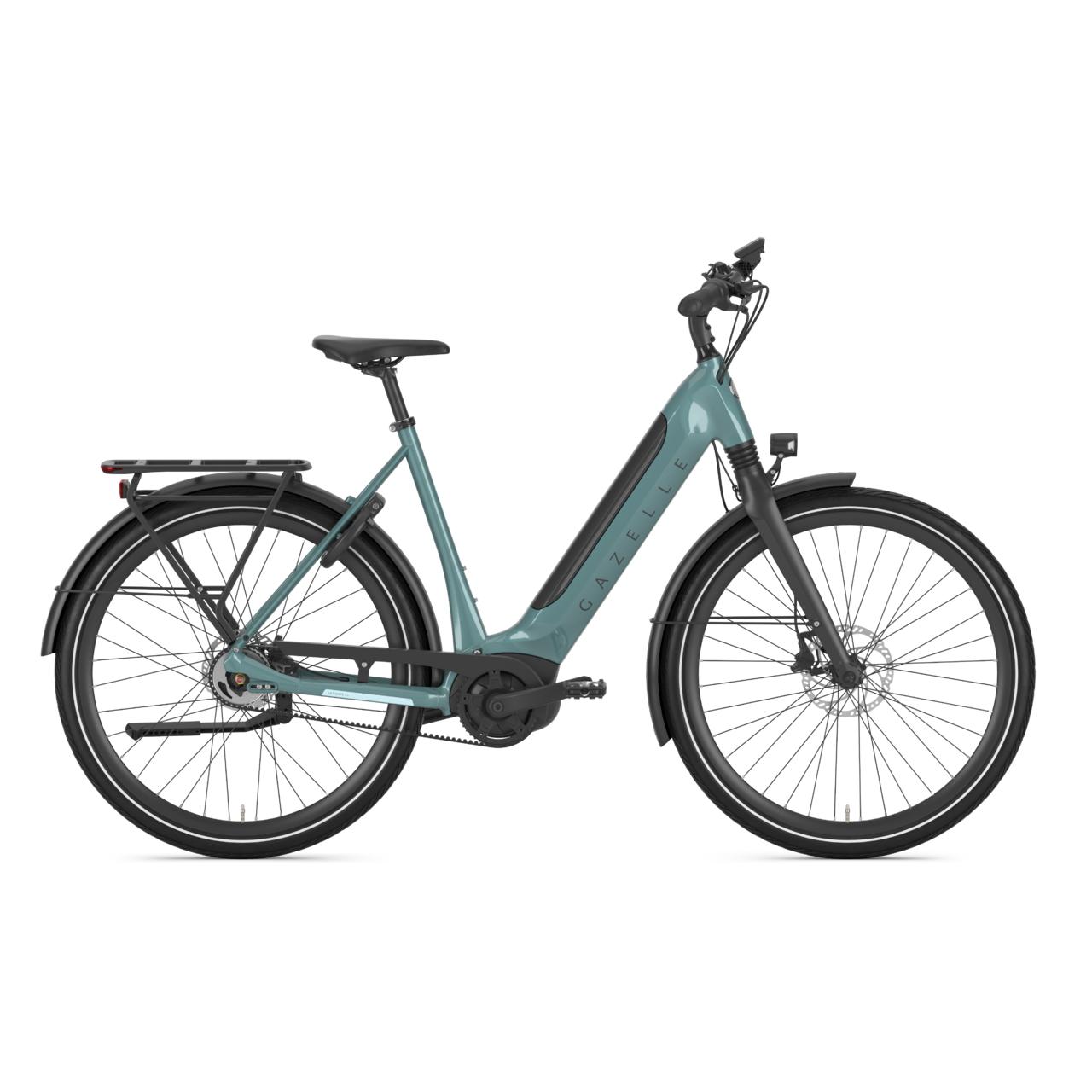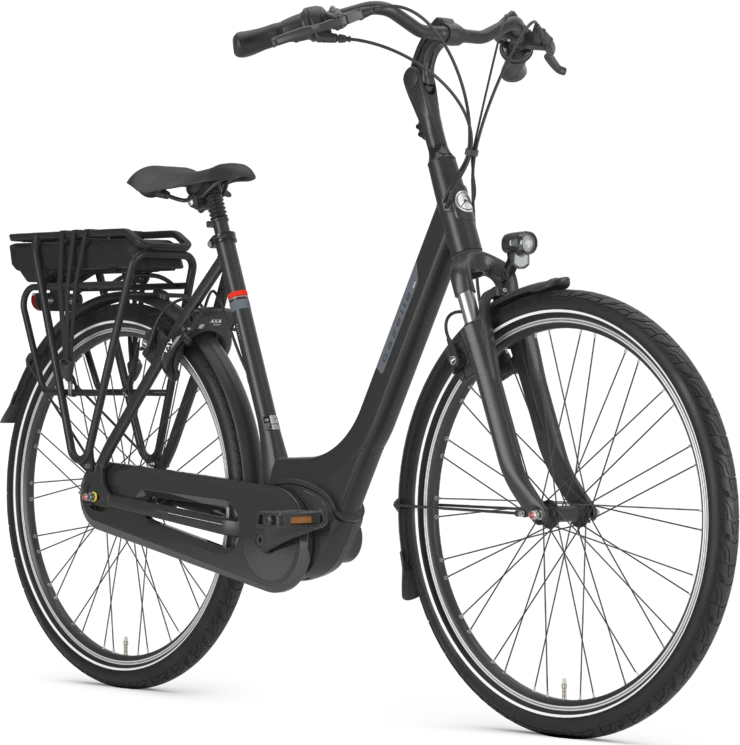


This guide concentrates on the main factors to consider when buying an electric bike:
Weight
Battery
Motor
Controller
The components that electric bikes have in common with conventional bicycles such as the frame, wheels, gears, brakes etc. are not discussed here as it likely that you are already reasonably familiar with them.
You should first consider what you want from an electric bike. What are your needs? How frequently will you want to use it? How far do you need to travel? How demanding is the terrain (moderate gradients or very hilly)? Will you need to carry a lot of weight? Do you want the motor to do all the work or just assist you? How often will you be able to recharge the battery (only overnight or also at your destination)?
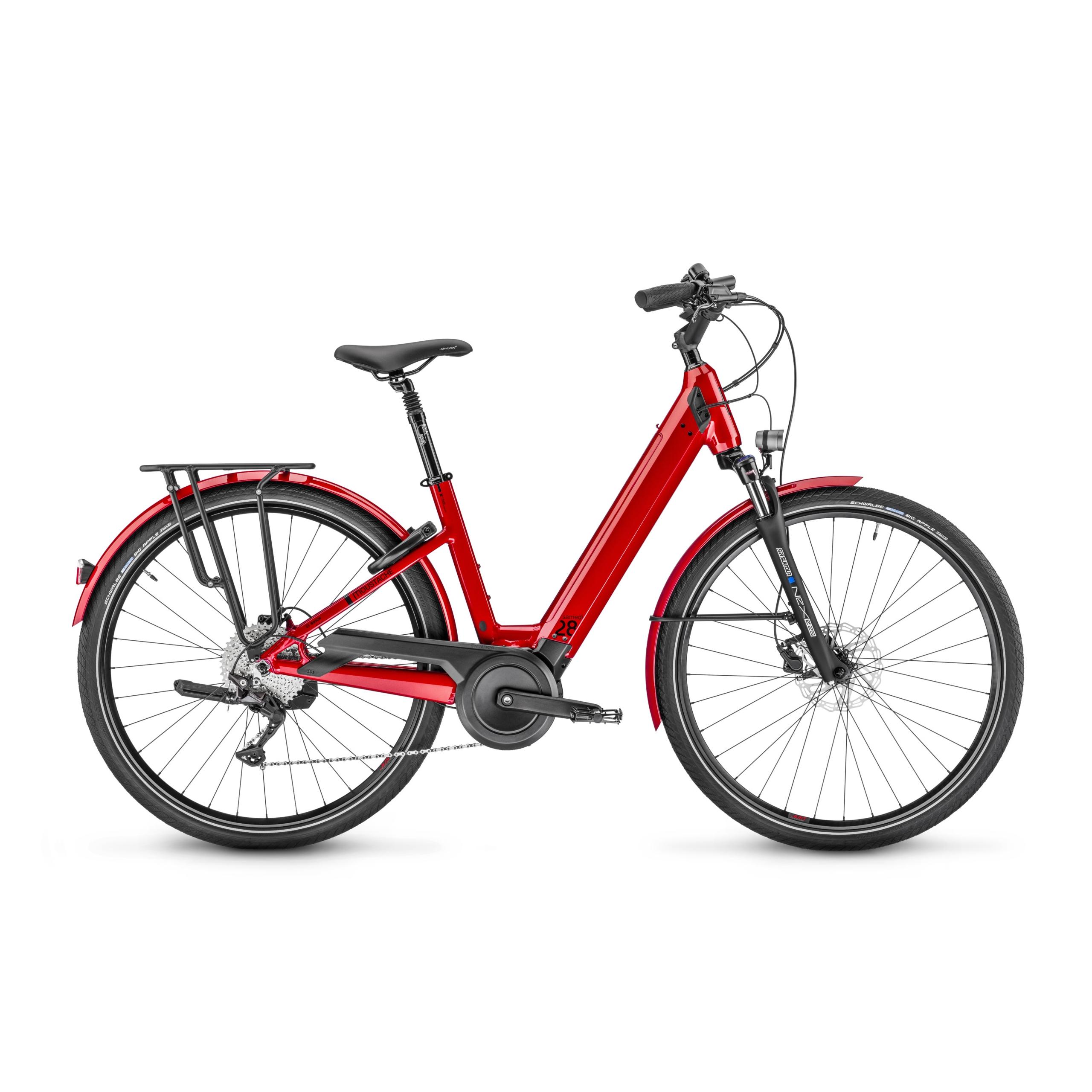
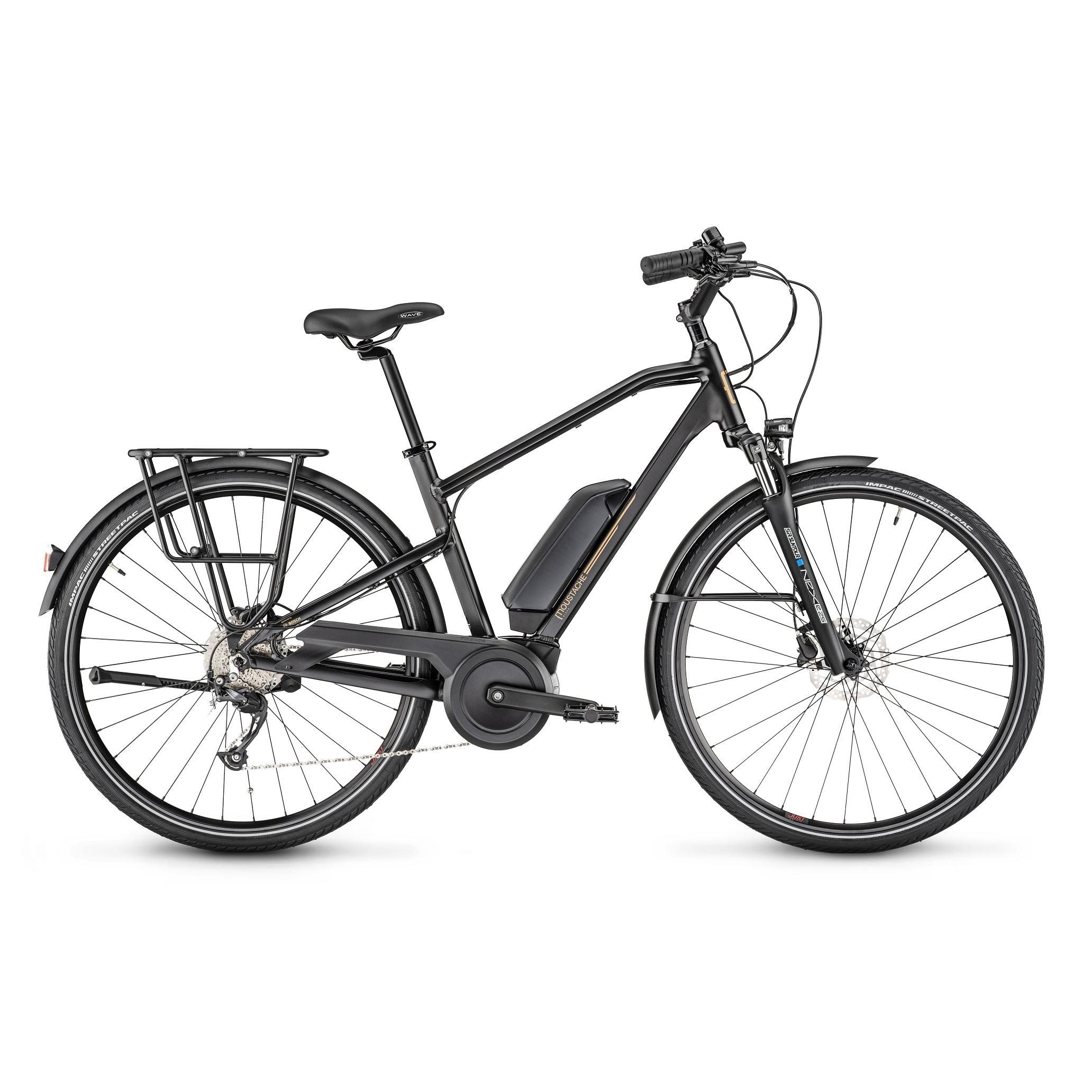
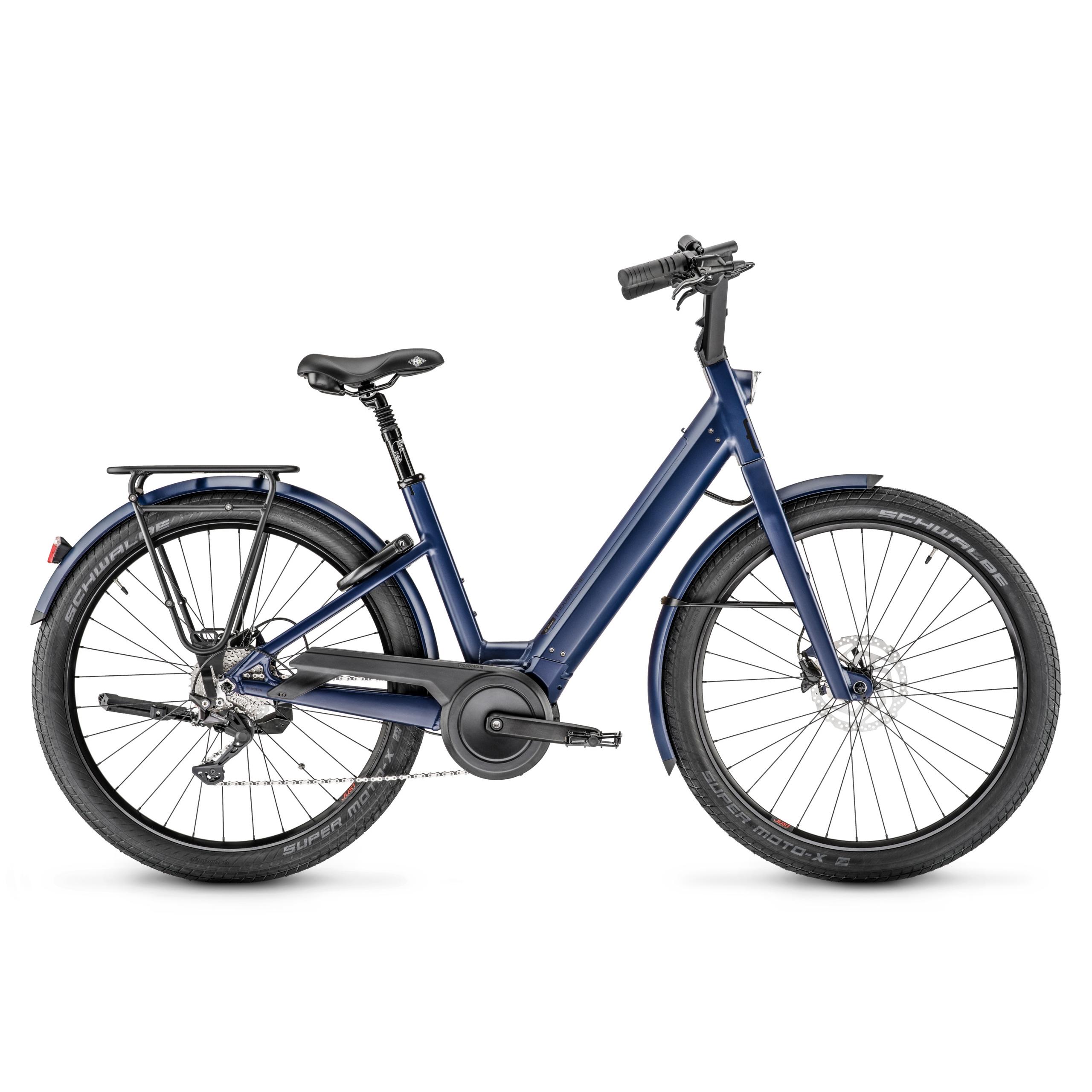
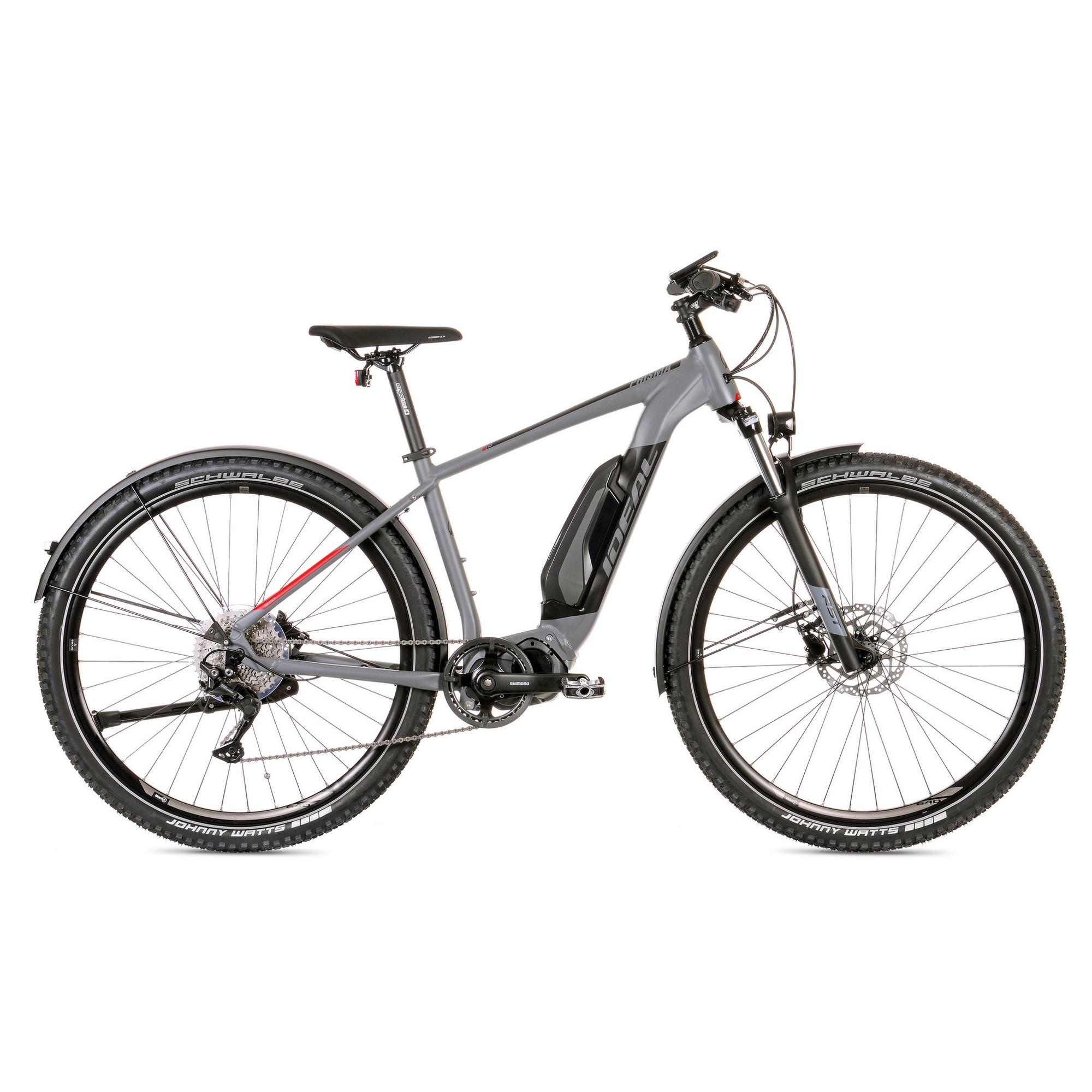
You should also have in mind the style of electric bike that you are looking for: folder, mountain style, city bike, shopper, step-through etc.
We hope you find this guide helpful - once you’ve narrowed your short-list the best way to judge is to test ride for yourself.
Weight
The weight of an electric bike is critical to performance. Because of this, manufacturers are constantly working to reduce the overall weight, the heaviest parts typically being the frame, motor and battery. It often follows that the lightest electric bikes are among the most expensive but be wary of comparing electric bikes on weight and cost alone.
A very lightweight frame must also provide the strength and flexibility for your intended use – heavy load carrying or off-roading for example may demand a more robust frame. Similarly, be sure a lightweight motor isn’t being offered at the expense of lower power output, but do expect to pay more for a small, lightweight, high power motor. In general the different battery types available can be categorised in terms of their weight: Lithium batteries being the lightest; followed by Nickel Metal Hydride (NiMH); with Sealed Lead Acid (SLA) batteries tending to be heaviest. However, weight is only one of a number of important considerations when comparing battery types and these are covered in more detail below.
There are also legal limits – in the UK and EU electric bicycles (including the battery) must not weigh more than 40kg without the rider.
Battery
The most commonly available battery types for electric bikes are: Sealed Lead Acid (SLA); Nickel Metal Hydride (NiMH); and Lithium-ion (Li-ion) - with Lithium Polymer (Li-Pol) also starting to emerge. Each type has its own characteristics but what they do have in common is that they are all high current, high energy batteries.
The simplest way to describe the usefulness of a battery is to refer to its maximum or peak power output – usually in Watt Hours (Wh) or the volume of electricity it can deliver – usually in Amp hours (Ah). For a more detailed explanation of battery characteristics click here Click here for a summary of battery basics.
However, avoid comparing batteries purely on the stated or derived figures for power output or power consumption per mile (using manufacturer’s range figures); these would be more useful if all things were equal but all things are rarely equal. In practice, you're unlikely to see results that match the figures, battery performance varies according to a number of variables (battery type, temperature, condition etc) and the overall performance of the electric bike is directly affected by motor efficiency, road conditions and rider weight etc. As with all rechargeable batteries, optimum depth of discharge is reached after a number of complete charge/discharge cycles, battery life will also degrade with age.
So what type of electric bike battery is best for you? The main comparison points for Electric Vehicle (EV) batteries can be found in our EV Battery Comparison Guide. Detailed characteristics of the most popular batteries used with electric bikes are shown below:
Sealed Lead-Acid (SLA)
The SLA is the oldest and most
commonly used rechargeable
battery type and is usually
found on older, heavier electric
bikes. It is well suited to high
power or rapid current
discharge applications but only
where weight is not critical. It is
cheap to buy but with a life of
just a few hundred complete
charge cycles is less cost
effective than other battery
types for frequent use.
Because of its high lead
content, the SLA is less
environmentally friendly than
other types.
The SLA is not subject to memory effect. Leaving the battery on trickle charge for a prolonged period does no harm and it will hold the charge well when removed from the charger. However, it does not respond well to fast charging so typical charge times are long at around 5 to 10 hours. The SLA prefers a shallow discharge. A full discharge causes extra strain and reduces cycle life. A discharged SLA will sulphate within hours and if left in that condition is difficult or impossible to recharge. The SLA must always be stored in a charged state.
In use: Like a car battery the SLA takes a few cycles to get to peak performance, once there it should be topped up as often as possible. The less full cycles (known as deep discharges) you do the longer your SLA battery will last so top up when you can.
Nickel-Metal Hydride (NiMH) & Nickel-Cadmium (NiCd)
The NiMH battery has found
widespread use in electric
bikes – NiCd far less so now.
Both nickel variants have more
than twice the cycle life and
higher energy density than an
equivalent SLA battery at
around half the weight but are
at least twice the cost and this
is increasing due to the rising
price of nickel.
Older generation NiMH batteries could self discharge by 25% per month if left unused – although this is vastly improved on newer NiMH technology which is also more tolerant to part charging. The NiMH battery is similar to the NiCd battery in the respect that they both use nickel as the cathode but NiMH generally has a higher capacity than NiCd and suffers far less from ‘memory effect’. With a lower toxicity than both SLA and NiCd, NiMH batteries are also less harmful to the environment – this is the major disadvantage for NiCd, cadmium is a harmful pollutant and is difficult to recycle. For this reason NiCd batteries have been banned completely in some countries.
In use: As with most types it is very important to keep NiMH batteries topped up. However, to avoid suffering from 'memory effect' they need periodic full discharges approximately every 3 months – for NiCd batteries this should be performed every month.
Lithium-ion (Li-ion)
The Li-ion battery is fast becoming the battery of choice for
modern electric bikes. It offers a longer cycle life than an
equivalent NiMH battery (now up to 600 full recharge cycles),
high energy density, fast charging and almost no self
discharge - being capable of holding its charge for up to 10
years. It is also very light, at around half the weight of the
equivalent NiMh battery and is 4 times lighter than its SLA
counterpart. Now similar in cost to NiMH, Li-ion is more
expensive to buy than the SLA battery but has a lower
lifetime cost and is less harmful to the environment.
Early versions of rechargeable Li-ion batteries suffered from stability problems. To prevent this, a battery management system is incorporated into either the charger or the battery to carefully control charging and discharging.
In use: Lithium batteries are more tolerant of regular deep discharge cycles than other types but topping up frequently will extend battery life and performance. For example, a lithium battery that will perform around 500 full discharge cycles is likely to perform 3 or 4 times as many half cycles. The benefits of opportunistic charging (say at your place of work) easily covers the cost of a spare charger.
Lithium-Polymer (Li-Pol)
Technologically evolved from Li-ion batteries, Li-Pol
promises the highest energy density for about the same
weight (delivering up to twice the capacity of a comparable
NiMH battery). It is similar to Li-ion in that it is fast charging
and suffers almost no self discharge but the major advantage
is a very long cycle life (up to 1000 full recharge cycles)
resulting in the lowest lifetime cost – despite being initially
the most expensive to buy. Other benefits include the highest
level of safety thanks to its solid polymer construction and
very low environmental impact due the absence of liquid
electrolyte and heavy metals. Unlike most other types Li-Pol
batteries can be manufactured in any reasonable shape and
size – a feature not yet fully exploited but one that could
further expand the usefulness of this technology.
Limited availability and still relatively new to electric bikes so yet to be fully proven.
In use: As for Li-ion above.
Motor
Electric bikes use either brush or brushless motors, both are described here:
The brush motor is the original standard DC electric motor. It operates at high speed and uses internal gearing to reduce the speed to that legally allowed for electric bicycles in the UK. The resulting benefit is that brush motors usually provide very high turning force (torque) although with less efficiency as energy is lost in the gearing. The brush motor is so called because it contains carbon brushes that make contact with a rotor inside the motor. In order to maintain performance brush motors need routine maintenance to replace the carbon brushes as they wear.
Brushless motors as the name suggests are constructed in such a way that eliminates the need for brushes. As a result they offer no spark hazard, better speed control and are considered maintenance free. Brushless motors are generally smaller and lighter than brushed motors as well as being more energy efficient due to the absence of complex gearing. They operate at a lower speed than brush motors and as a result are considered particularly suitable for electric bikes used in the UK and the rest of Europe.
The motor for the vast majority of electric bikes and scooters is positioned in one of the wheel hubs (usually in the rear wheel). With the motor directly attached to the driven wheel this configuration has many advantages: it is highly efficient; the relatively low centre of gravity avoids stability problems; it does not interfere with other aspects of standard vehicle design; it is sealed and therefore mostly maintenance free; and aesthetically it looks neat and compact. Because the majority of the weight is over the rear wheel - rear wheel drive hub motors offer superior traction and handling over front wheel drive hub motors, particularly on gradients and in adverse weather conditions. Because they are sealed against water and dirt the heat generated by the motor must be properly handled to avoid problems. Heat produced by the motor is often managed by the controller – the box of tricks that balances the demands placed on the major EV components and the subject of the next main topic.
Other motor configurations (although far less common) include crank drive and friction drive. Crank drive directs power through the rear gear system, it is particularly suited to very steep terrain (in excess of 17%, or 1 in 6) but it is the most expensive. Friction drive (or roller drive) uses a powered metal roller or belt pressed against the tyre to turn the wheel. It is the least efficient, least reliable, noisiest and cheapest method. Furthermore the roller and the tyre tend to wear out after a few hundred miles.
Controller
The controller acts like the engine management system on a car – it governs the overall performance of the electric bike, although you are unlikely to be consciously aware of it.
In general an electric
bike with a higher power output can supply a higher current which will
offer more torque, acceleration and speed. However a higher current
has a higher rate of energy discharge which means the battery will
drain faster, reducing the range. This can be countered by using larger
batteries but this increases weight and so impacts performance, compensating
for this with even larger batteries results in ever diminishing returns.
The solution to this problem is provided by the controller which uses
the system’s voltage and current to regulate speed and
range. It’s a fine balancing act where
the quality of the controller will make a big difference to the performance
of the electric bike.
Controller functions typically involve operating as the gateway for
the signal between the pedals or the throttle, and the resulting supply
of power from the battery to the motor. More complex controllers also
optimise the performance and increase the safety and the longevity
of the bike’s components. An example of this is the torque sensor
(an option available with Urban Mover power assisted bikes) that automatically
converts the pressure that the rider applies to the pedals into progressively
variable power to provide greater control and
extended battery range.
Summary of battery basics:
Volts, Amps & Watts!
Volts or voltage (V) can be thought of as the force of electric power.
Because high voltages pass more efficiently through wires and motors
it generally follows that higher voltages are more useful. Electric
bikes typically use 12 – 36 volts so the dangers
associated with very high voltages are not a concern. A 12 volt system
is considered acceptable for low-powered motors, but 24 volts upwards
is recommended. Internally the battery is made up from a number of
cells that each produce electricity. Each cell type has a nominal
voltage (Nickel Metal Hydride (NiMH) for example is around 1.2v and
Lithium-ion (Li-ion) about 3.4v per cell).
The cells are combined in series to provide the useful voltage required
by the motor – so (roughly speaking) a 24v NiMH battery would contain
around 20 cells and a 26v Li-ion battery would contain around 8 cells.
Amps or amperage can be thought of as the volume or quantity of electric
power. The flow of amps is called the current, similar to the flow
of a river except that unlike a river, the speed of the flow (the
current) is fixed - only the volume varies. The maximum flow of
amps or current (i.e. the maximum rate that that energy in the
battery can be discharged) needs to be sufficient to meet the maximum
demands of the motor and is typically measured as the maximum amperage
that the cell can endure for one hour. For example if a battery
can be
discharged at a 12 amp draw and will last for one hour, then it is
a 12 Amp hour (Ah) battery.
Watts or wattage is very useful because
it defines the overall power output. When we know the voltage (force)
and amperage (current) we can calculate the wattage (power) by multiplying
the two figures together. For example, a 26V 12Ah battery can produce
312 Watt hours overall power (26V x 12 Ah = 312Wh). By way of comparison,
the pedalling effort produced by the average cyclist on a conventional
bicycle (without power assistance) is about 100 Watts with brief
peaks of around double that.
Note that this figure refers to maximum or peak power output. The legal limit in the UK for electric bicycles is 200W (or 250W under harmonised European legislation) which relates to the maximum continuous power output. Most motors can provide maximum output for only short periods so this peak figure is a more useful guide for comparison purposes. The amount of power required depends on individual needs - if you want the motor to do all or most of the work, especially in hilly areas you should look for higher peak power output than you would for moderate or gentle power assistance but expect this to be reflected in the cost.
The high energy capability of EV batteries
presents its own challenges. Each cell is complex and is connected
to another cell in series forming a package that can contain more
than 30 cells. More cells mean more power but also more weight, furthermore
each cell and each connector is a single point of failure. Charging
and discharging of the cells produces heat which if not managed effectively
can lead to diminished performance or failure – with rare but
dramatic consequences as illustrated in media reports of exploding
laptop batteries. To
address these problems, manufacturers developed the battery management
system, built into either the charger or battery itself. This prevents
cells from overheating and regulates charging and discharging. It is
not only a safety feature but also optimises battery performance and
life. For this reason we strongly recommend that you look for an EV
battery that is supported by a battery management system, particularly
if you are buying one of the latest Lithium based batteries.